

Active search
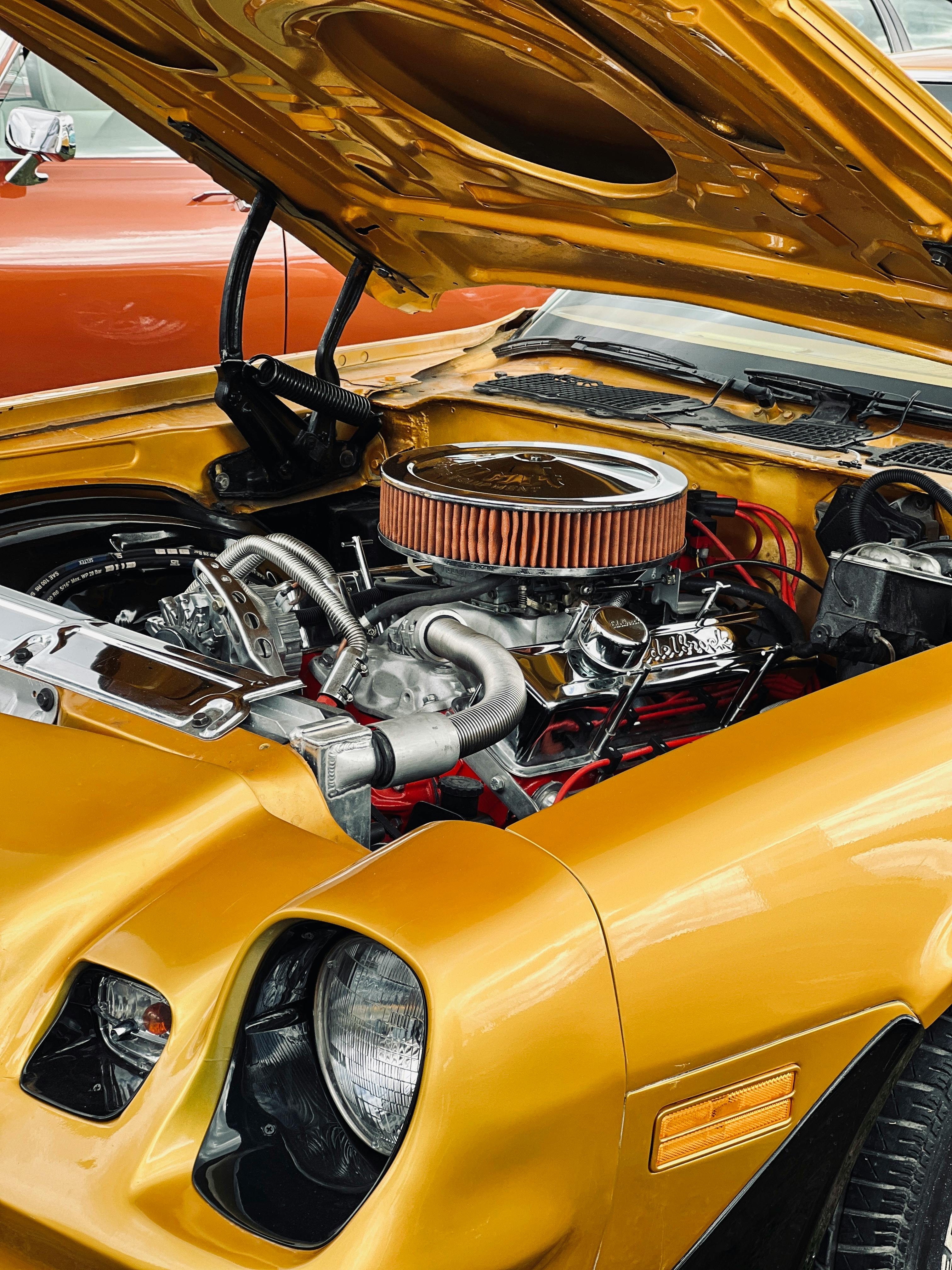
Chevrolet Corvette 1967

Refurbishing a carburetor or ignition system yourself
|
Refurbishing a carburetor or an ignition system may seem accessible to those who love mechanics, especially with a classic car. These two components are the heart of proper engine operation: the carburetor meters air/fuel, and the ignition triggers combustion at the right moment. However, working without a method carries risks: hundredth-millimeter adjustments, specific seals and membranes, tight tolerances. A mistake can lead to overconsumption, misfires during acceleration, or even premature wear.
The challenge goes beyond simply replacing parts: accurately diagnosing an air leak, a poorly adjusted float, or a faulty distributor helps avoid damaging an engine that may be impossible to replace. Goal: reliability, safety, and road compliance — essential criteria if the vehicle is regularly driven. Understanding the roles: carburetor and ignition systemThe carburetor mixes air and fuel via jets, wells, needle, and float. A varnish deposit, hardened gasket, or worn needle immediately distorts the mixture. On the ignition side, coil, distributor, breaker points or sensor, cables, and spark plugs must work together: incorrect timing or a weak spark causes mid-range hesitation and hard starting. By ear, everything may seem to “run fine,” but without measurement (vacuum, mixture, timing), deeper faults are often masked. Typical symptoms: fuel smell, blackened plugs, unstable idle, knocking… All signs that must be correlated with instrumented checks to avoid “random” adjustments. In practice, carburetor and ignition form an inseparable pair: a too-rich mixture can mimic an ignition fault, late timing can simulate fuel starvation. Diagnosing one without the other often leads to unnecessary part replacements. |
DIY refurbishment: key steps and real challenges
Careful disassembly is essential: identify every screw, spring, membrane, photograph the order of parts, check sealing surfaces and throttle shafts. Effective cleaning involves an ultrasonic bath (suitable solution) followed by thorough blowing of all passages — without enlarging the jets. Reassembly: new gaskets and needle, float height set to a tenth of a millimeter, possible synchronization on multi-barrel setups.
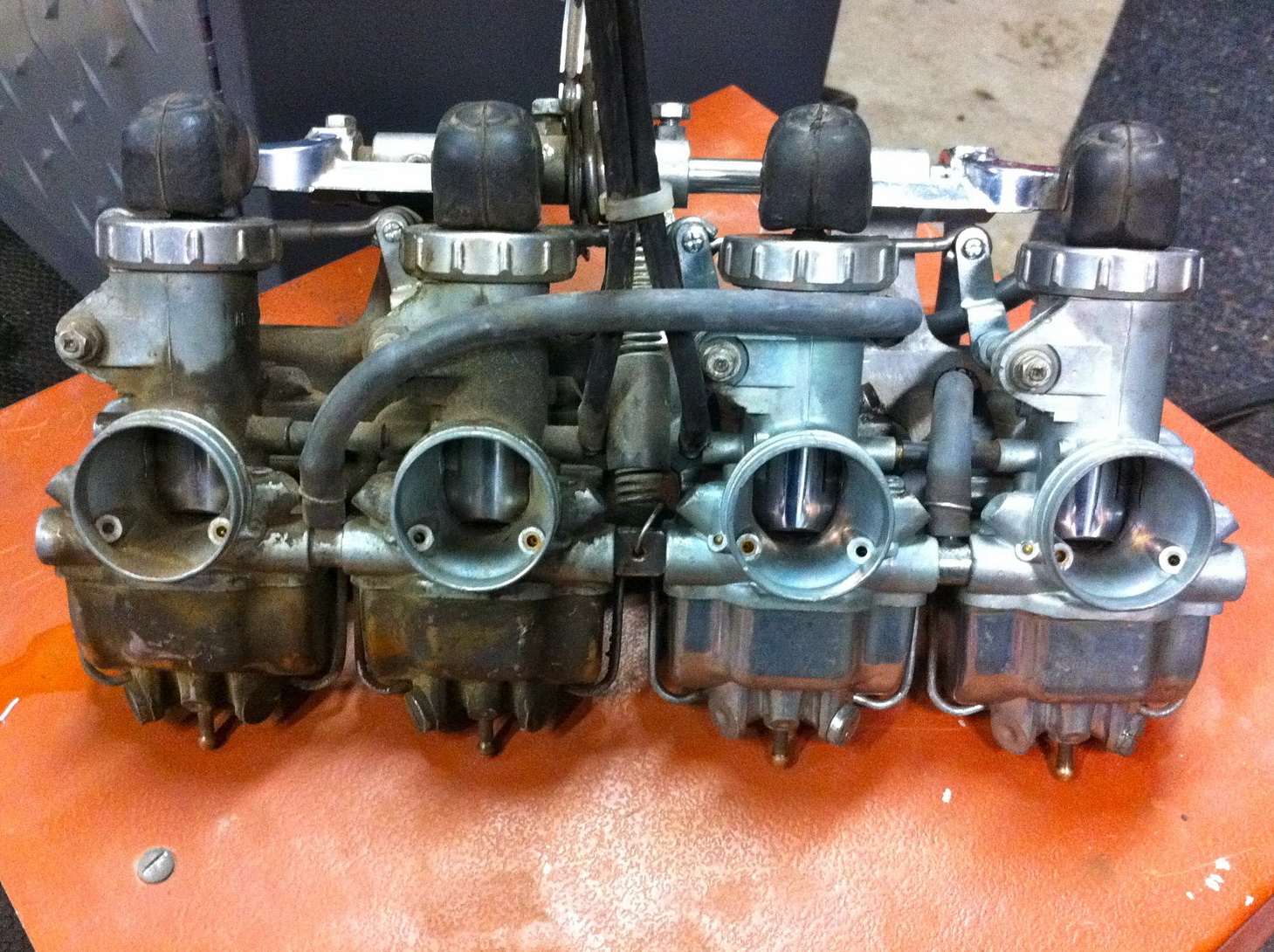 Key step: the ultrasonic bath removes varnish and fine particles.
Adjustments: mixture and idle are set with the engine warm, ignition timing checked with a strobe light, spark plugs inspected (color, gap). Without a vacuum gauge or strobe, one fault is often “compensated” by another. Risk: overheating, piston damage, oil dilution.
Takeaway: success depends not just on cleaning but on final calibration and road testing. Without the right tools and experience, it’s better to secure the job with a pro and preserve the vehicle’s value.
Why and when to turn to a professional
A specialist offers a structured, measured diagnosis: checking for air leaks, testing the accelerator pump, inspecting the coil, ignition oscilloscope trace, exhaust gas analysis. They detect invisible wear (worn shafts, cracked passages, seized advance plate) and have a tool kit (test benches, strobes, vacuum gauges) to validate operation at all RPMs.
Regarding compliance, the goal is to maintain the original spirit: settings, parts, and performance consistent with the vehicle’s homologation, ensuring a smooth inspection process. Safety and reliability take priority, especially on classics where failure is costly.
Finally, a qualified workshop provides traceability (references, torque specs, timing values) and repeatable settings. You save time, avoid trial-and-error. Bottom line: professional work is often the most cost-effective choice… in the medium term.
Ready-to-install solutions: ignition and fuel supply parts
If you prefer replacement over tinkering, choose new, calibrated, and manufacturer-compliant parts. See the selection: Ignition (complete kits, coils, cables, spark plugs) and Fuel supply (carburetors, pumps, gasket kits). You’ll get simplified installation, verified compatibility, and support if needed.
- Carburetors new or refurbished: suitable models, correct jets and float level.
- Ignition kits: coil, wiring, matched plugs, recommended timing.
- Quality and durability: traceable references, supplied documentation, installation advice.
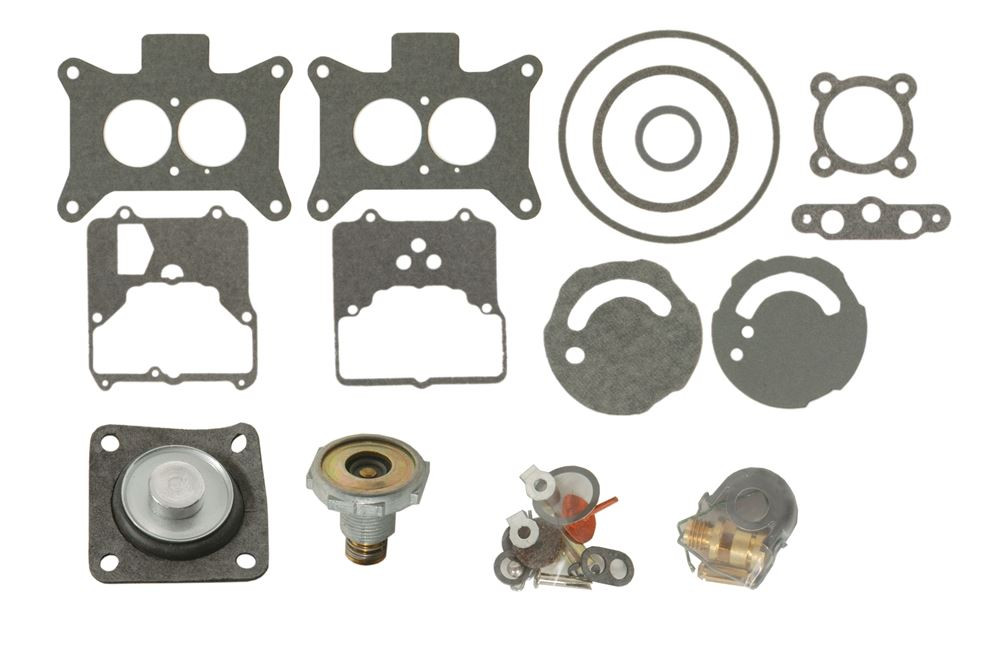
View ignition kits | View fuel supply parts
Conclusion: performance, compliance, and peace of mind
Working on your own carburetor or ignition can be educational and rewarding, but the precision required and the impact on engine life mean you must know your limits. Without instrumented diagnostics, symptoms and causes are confused, and parts are replaced unnecessarily. For a classic car, the best strategy remains quality parts + professional tuning: preserve value, drive confidently, and fully enjoy the vehicle.
Need a safe starting point? Choose compatible, tested components and have the final settings validated by a specialist. It’s the shortest path to a reliable, smooth, and long-lasting engine.
Related posts
 For or Against Electronic Ignition?
Edelbrock, Holley or Rochester: Which is the Best Carburetor?
Mustang Hood Scoop Problems: Should You Refurbish Them?
289 ou 302 ? Quel small block pour ma Mustang ?? 289 ou 302
The 427 Side-Oiler V8 Engine: A Monster of Power
For or Against Electronic Ignition?
Edelbrock, Holley or Rochester: Which is the Best Carburetor?
Mustang Hood Scoop Problems: Should You Refurbish Them?
289 ou 302 ? Quel small block pour ma Mustang ?? 289 ou 302
The 427 Side-Oiler V8 Engine: A Monster of Power
Leave a comment